Hotels vs Airbnb: Has the COVID-19 pandemic disrupted the disrupter?
Advertising
Experiences
Hotels vs Airbnb: Has the COVID-19 pandemic disrupted the disrupter?
As the travel industry seeks to recover, the contest between hotels and home shares finds both struggling to convince the public that their rooms are virus-free, their terms are fair and their offerings are rubber distancing-appropriate.
(Photo: AFP/Joel Saget)
Airbnb, born in 2008, famously disrupted the hotel industry. It stole market share, put pressure on hotel rates, inspired the creation of affordable brands and saw hotels beyond the spectrum create restaurants, bars and lobbies that channelled the local vibe. Airbnb'south recent layoff of a quarter of its workforce indicates the financial strain the visitor is nether. At present the question is: Has COVID-19 disrupted the disrupter?
"I do recollect hotels may have a near-term advantage," said Henry Harteveldt, a lodging manufacture analyst and the founder of Atmosphere Inquiry Grouping, predicting that hotels will have the edge on hygiene and standardised social distancing policies.
As the manufacture seeks to recover, the contest between hotels and home shares finds both struggling to convince the public that their rooms are virus-gratis, their terms are fair and their offerings are social distancing-appropriate.
READ> How luxury hotels around the world are stepping up during this pandemic
NONSTANDARDISED TERMS
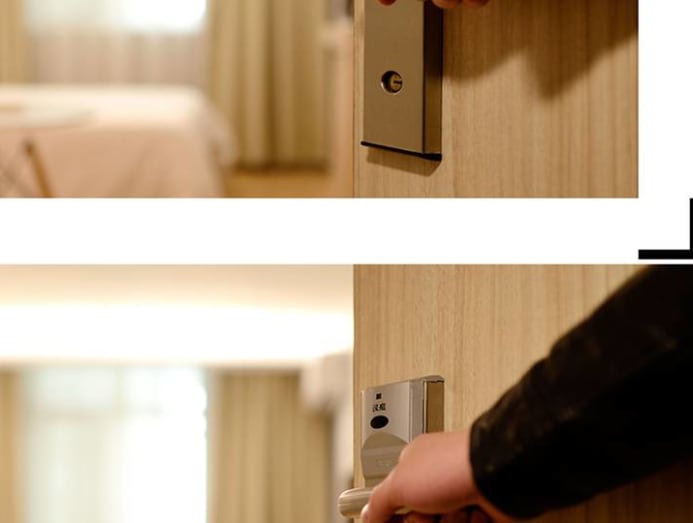
The tidal wave of cancellations that came along with COVID-19 suddenly made travellers aware of the wide range of terms in bookings – from no-penalty, last-minute cancellations to full liability fifty-fifty months in advance of a trip.
Most hotels have generous cancellation policies that allow travellers to make changes to their reservations without penalty 24 to 48 hours in accelerate of arrival.
The exception is for prepaid, nonrefundable hotel rates, which tend to exist the lowest – a good bargain unless y'all take to abolish. Just even in those cases, nigh major hotel companies, including Marriott, Hilton and Hyatt, came through, offer refunds on nonrefundable rates in spring. Some extended the grace menses to the end of June.
Given the public wellness and economic crises, "job No one for travel brand managers is to be kind," said Chekitan Dev, a marketing and direction communication professor in the hotel school at Cornell University, who believes the manufacture'southward recovery begins with existence as lenient equally possible with refunds and providing more incentives to book, such equally adding upgrades.
Holiday habitation renters especially learned the importance of reading the fine print, which information technology turned out was anything but standard.
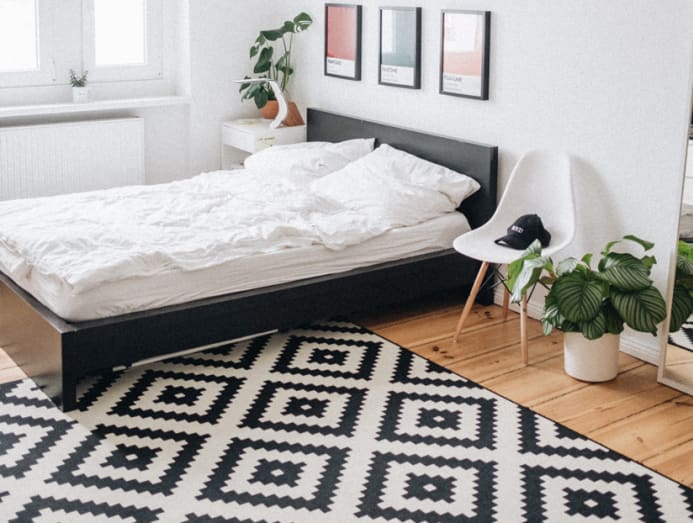
In December, Jessica Bradford, a South Pasadena, California-based publicist, booked a four-bedroom habitation in southern Maine on Airbnb for a week with friends in July. In late April, after the country of Maine issued plans to require all arrivals to self-quarantine for 14 days through August, she tried to cancel the reservation and realised the counterfoil policy on the United states$seven,000 (S$9,930)-a-week property covered only the first 48 hours afterward booking. Thereafter, the policy allowed 50 per cent back if cancelled a week or more before the reservation appointment.
"Information technology's on me for not looking, just the cancellation policy is draconian," said Bradford, who is all the same trying to become the deposit of about US$3,500 back.
Airbnb declined to annotate directly on rentals in Maine but pointed to the visitor's extension of its extenuating circumstances policy that provides refunds on bookings made before March 14 through June 15, the third fourth dimension it has extended the grace period. Because her reservation is for July, Bradford is left hoping the policy is extended again.
The episode underscores the variability of home rental terms. In Airbnb's example, hosts accept the option to choose their own counterfoil policy, which ranges from "flexible," or up to 24 hours before bank check-in, to "strict," which is what Bradford experienced. Airbnb, which said over 60 per cent of hosts offer flexible or moderately flexible cancellation policies, is introducing a search filter to assistance travellers find listings with flexible terms.
The winner on counterfoil terms: Hotels.
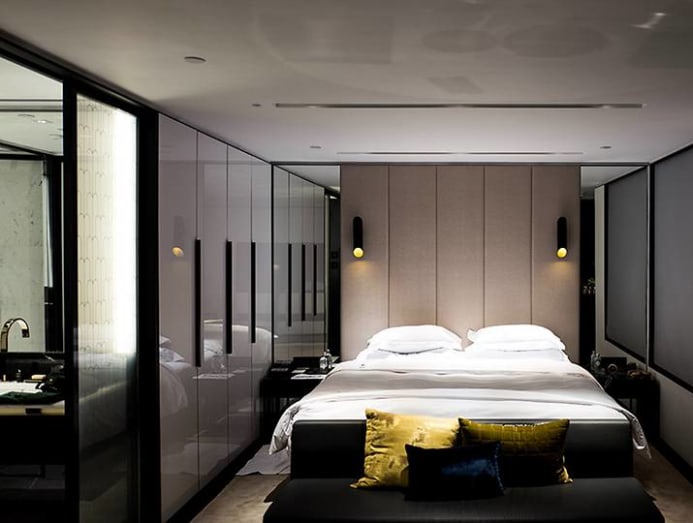
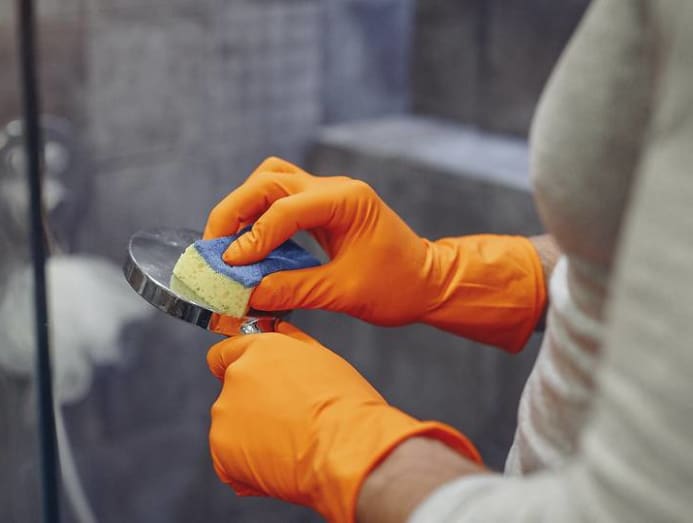
"Cleanliness and hygiene will be the new five-star restaurant or 800-thread-count sheets," Harteveldt said. "Branded or well-run independent hotels may have a compelling reward over dwelling sharing because hotels are going to utilise professional or industrial-form cleaning products. Their housekeeping staffs volition be trained to clean to standards set past hotels. And hotels volition have marketing budgets to promote this."
Already, many hotel companies are coming out with new cleaning standards inspired by those fix by the Centers for Disease Control and Prevention. Marriott's includes using electrostatic spraying technology to spread disinfectants that broadly kill germs in rooms.
Working with the Mayo Clinic and the makers of Lysol, Hilton plans to launch a new room seal in June that indicates no 1 has entered the room since it was cleaned and identify disinfecting wipes at high-impact areas like elevators.
Vacation rental companies, besides, are championing new cleaning protocols. Airbnb's new standards, launched this month, follow CDC guidelines, including using masks and gloves when cleaning and building in a 24-hour waiting flow between guests. Hosts who follow them will exist identified in Airbnb listings.
So, who comes out ahead? While hotels might accept the border when information technology comes to country-of-the-fine art cleaning methods, the shared space endemic to hotels, such equally elevators and lobbies, might give many travellers break. "There may be some people who experience a dwelling-share property is ameliorate for them from a health standpoint," Harteveldt said. "Hotels don't have this battle in the pocketbook."
The winner on hygiene: It'due south a draw.
THE Hope OF PRIVACY
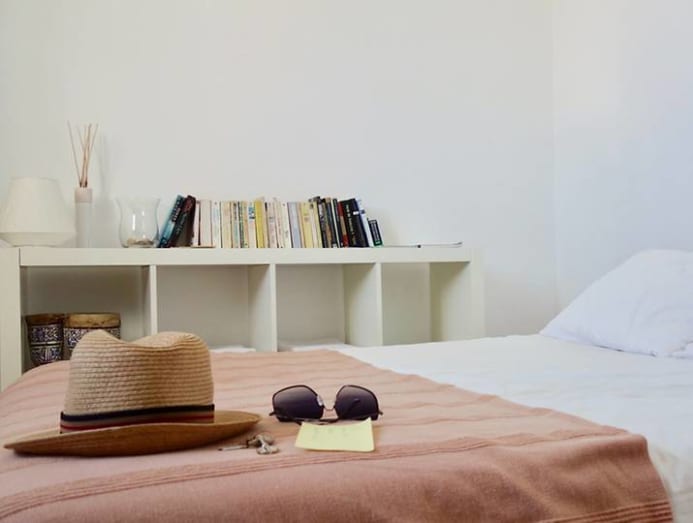
"The vacation rental industry is positioning as social distancing-friendly," said Joseph DiTomaso, co-founder and chief executive of AllTheRooms, a vacation rental search engine. "A lot of renters don't fifty-fifty meet the owner. Y'all get a security lawmaking instead."
AllTheRooms Analytics, the data analysis segmentation of the company, found that the fastest-growing areas for curt-term rentals from mid-February to the terminate of March were small towns similar Concan, Texas; Geyserville, California; and Bridgehampton, New York.
"This data shows that people are fleeing urban cities in favour of hideouts in hamlets, smaller cities or waterfront towns. The spread of coronavirus has essentially caused urban flying to modest, rural STR markets," according to the study (STR refers to short-term rentals).
Portland, Oregon-based Vacasa, which manages 26,000 rentals globally, said its most recent bookings average six days, versus the norm of three, and that some of its biggest growth areas were in remote locations.
Denser by blueprint, hotels have to work harder on integrating social distancing requirements. Luxury hotels are talking about suspending turndown. Marriott guests volition wheel their own room service cart into their rooms. Wait to run into hotels take their cues from highly automated hotel concepts like Yotel, an affordable brand that has several locations, including New York City, where guests check in at a lobby terminal that dispenses a key card, and a robot will store your baggage.
"The contactless hotel stay may be considered the new luxury," Harteveldt said.
That also ways that some of the amenities that distinguish hotels and often draw local followings – including lively confined, celebrated restaurants, rooftop pools – may exist a lot less convivial for the time being.
The winner on privacy: Abode sharing.
"The contactless hotel stay may be considered the new luxury." – Henry Harteveldt
Past Elaine Glusac © 2022 The New York Times
READ> Equally Thailand's travel industry readies for relaunch, what tin visitors look?

Recent Searches
Trending Topics
Source: https://cnalifestyle.channelnewsasia.com/experiences/hotels-vs-airbnb-covid-19-pandemic-251281
0 Response to "Hotels vs Airbnb: Has the COVID-19 pandemic disrupted the disrupter?"
Post a Comment